How to Prepare for a Walkway Installation in Staten Island
Clear the walkway path, mark sprinklers and utilities, decide on materials and layout, and plan access for equipment. Apple Masonry handles the digging, base work and building in Brooklyn.
Published
Part of our Walkway Installation service.
Why Prep Matters Before a New Walkway
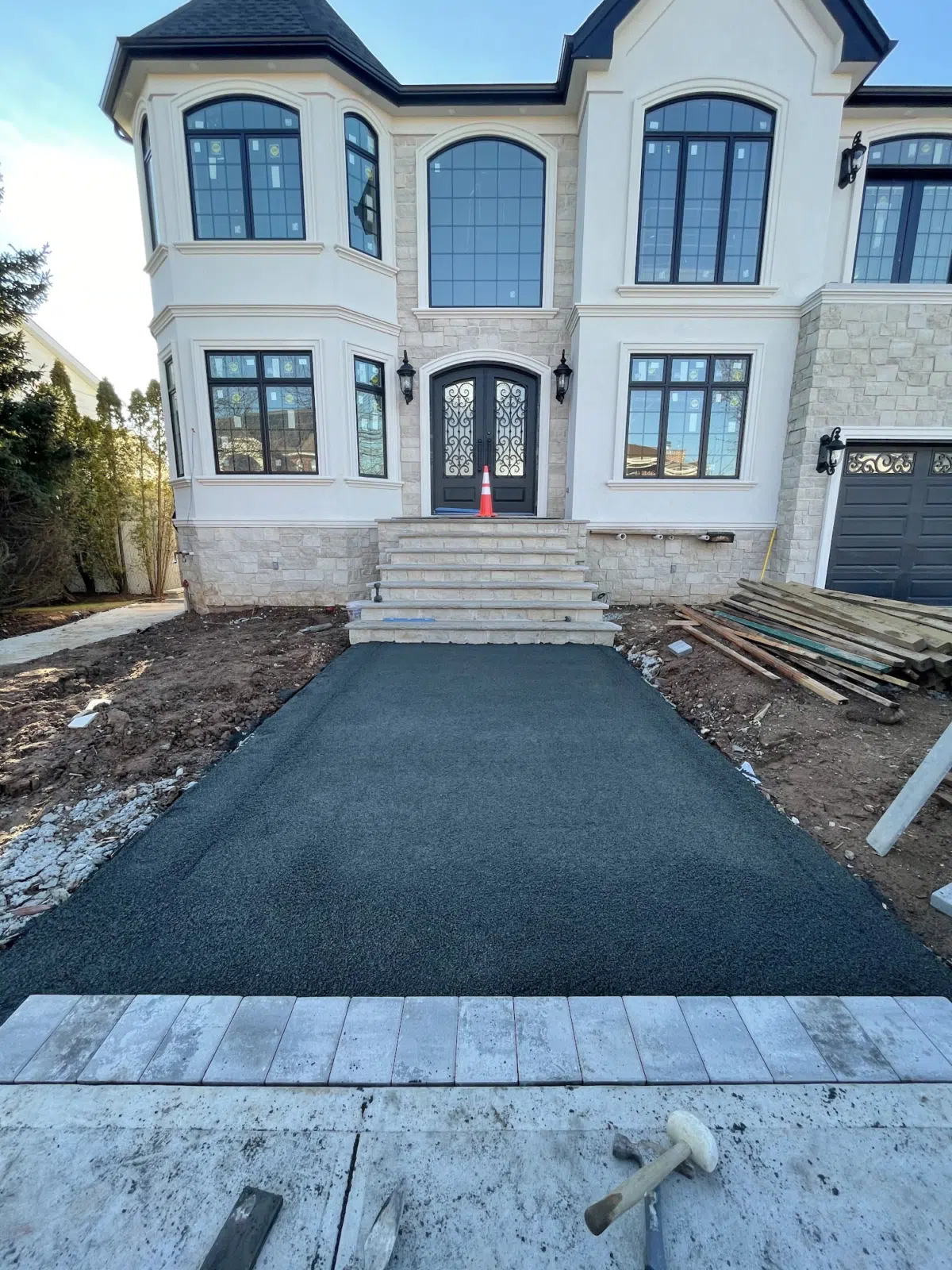
A walkway is only as good as what sits under it. In Brooklyn, that means a compacted aggregate base deep enough to handle frost and foot traffic, laid over soil that has been cleared of roots, old concrete and debris. The homeowner side of preparation is simple: make the path accessible, know what is buried along it, and have a clear idea of the route you want. Doing those three things keeps the job moving once the crew arrives, and it prevents surprises like a sprinkler line cut mid-dig or a fence gate too narrow for a plate compactor. APPLE MASONRY INC wrote this guide for customers in Staten Island.
Clear the Path and Give the Crew Room to Work
Walkways run through the busiest part of most Brooklyn properties, so access is the first thing to sort out. Move planters, furniture, hose reels and anything stored along the route. If cars park over the path, plan where they will go during the work. Crews need room to stage stone or pavers, run a plate compactor and haul away broken concrete or old material. A side gate that opens fully matters more than it sounds. If you rent out part of the property or share a driveway with a neighbor, a quick heads-up before the first day avoids friction later.
Mark Utilities, Sprinklers and Hidden Obstacles
Before any digging, call 811 so public utility lines get marked. That part is free and required, and it covers gas, electric, water and communication lines in the street portion. Private lines are on you: irrigation pipes, low-voltage lighting wiring, invisible dog fences and drain lines running from a downspout will not show up on the 811 mark. Walk the route with a copy of anything you know about the property, or flag what you suspect. If landscape lighting or irrigation crosses the planned path, tell the crew before work starts so lines can be rerouted cleanly instead of repaired after a shovel finds them.
Decide on Materials and Layout Early
The material choice shapes everything else, from how deep the excavation goes to how the edges are finished. Concrete pavers suit most Brooklyn walkways and set cleanly with polymeric sand joints. Bluestone or flagstone gives a classic New York look and works well on front paths in older neighborhoods. Poured concrete is a different process entirely, with control joints doing the work that paver joints and edge restraint do elsewhere. Think about width too: a comfortable main path runs wide enough for two people, while a side garden path can be narrower. Bring photos of walkways you like to the site walkthrough. Seeing the house and the route in person settles the layout faster than any drawing.
Your Step-by-Step Prep Checklist
Here is the short version of what to handle before installation day:
- Call 811 a few days ahead so public utilities get marked along the route.
- Flag private lines yourself: irrigation, lighting wiring, drain pipes and anything else buried in the path.
- Clear the route of furniture, planters and stored items, and confirm gates open wide enough for equipment.
- Decide where cars will park while the path is torn up and material is staged.
- Settle the material and width choice, and note where the path should start and end at doors, steps or driveways.
- Talk to anyone who shares the access, from tenants to neighbors, so nobody is surprised by a blocked walk.
That is the whole list. Everything after that, from excavation to the final pass with the plate compactor, is crew work.
What the Crew Handles and When to Call a Pro
Homeowner prep ends at clearing and marking. The actual build belongs to a professional crew, and in Brooklyn there are reasons a walkway is not a weekend project. Excavation has to reach the right depth for a compacted aggregate base, and the bed needs a 1-inch screed of bedding sand set to correct pitch so water runs off instead of pooling against your foundation. Pavers need edge restraint, tight joints and compaction in passes. Steps, sloped sections and paths tied into stoops or driveways take experience to get level and flush. If the route crosses a retaining wall, a drainage problem or an old concrete slab, have it looked at before you buy material. Ask any contractor three things: how deep the base will be, how drainage and pitch are handled, and what the joints and edges get finished with. Clear answers on those three points tell you more than anything else. Apple Masonry builds walkways across Brooklyn and the surrounding boroughs, and a site walkthrough is the fastest way to get the layout, material and schedule settled.
Ready to move forward? See our Walkway Installation service
Written by the APPLE MASONRY INC team.
How to Prepare for a Walkway Installation in Staten Island FAQs
Do I need to remove my old walkway before the crew arrives?
No. Removing the old concrete or pavers is part of the job, including hauling the debris away. Your prep work is clearing the route, marking private lines and confirming access. If you already know the old walkway sits over something unusual, like a drain line, mention it at the walkthrough.
How long does a walkway installation take in Brooklyn?
Most residential walkways take a few working days, depending on the length, the material and how much old material has to come out. Weather and access can shift the schedule. After a site walkthrough, you get a realistic timeline for your specific path before any work starts.
What walkway material holds up best in New York weather?
Concrete pavers perform well through New York winters because individual units flex with freeze and thaw instead of cracking as one slab, and a damaged paver can be lifted and replaced. Bluestone and flagstone also hold up well and suit older Brooklyn homes. The base and pitch matter as much as the surface material.
Can a new walkway be built over my existing concrete path?
Sometimes, but it depends on the condition and height of the existing slab. Overlaying raises the walkway, which can create a trip edge at doors and steps, and cracks in old concrete can telegraph through. A site walkthrough settles it: if the slab is sound and levels work, an overlay can save time; if not, full removal gives a cleaner result.
Still have a question about your project? Talk to the crew