How to Prepare for Garden Design and Planting in Staten Island
Preparing a Brooklyn yard for garden design means mapping sun and shade, checking drainage, testing soil, clearing debris, measuring the space and marking utilities before the crew arrives.
Published
Part of our Garden Design and Planting service.
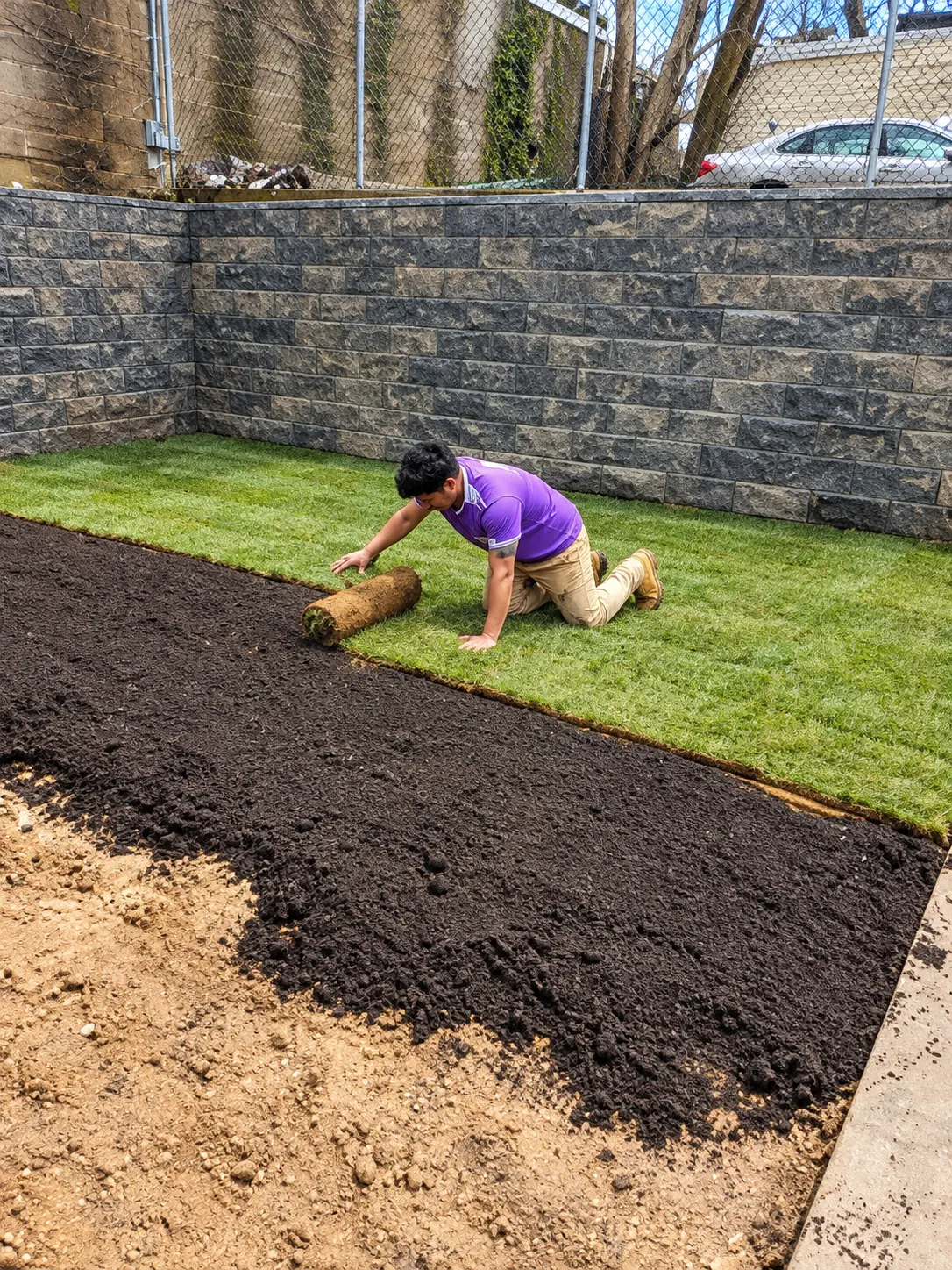
Walk your yard and note where the sun actually hits
Spend a few days watching how sunlight moves across your Brooklyn yard before anything gets planted. South-facing beds near a brick wall can bake for six hours a day, while the strip under a neighbor's fence may sit in shade nearly all day. APPLE MASONRY INC in Staten Island wrote this guide on how to prepare for garden design and planting in Brooklyn.
Write down which areas get full sun, part shade and deep shade at morning, noon and late afternoon. Attached row houses and tall party walls cast long shadows that shift with the seasons, so a bed that looks bright in June can go dark by October.
This one page of notes drives every plant choice that follows. Sun-lovers dropped into a shaded corner sulk and die, and shade plants scorch in afternoon heat. Bring your sun map to the site walkthrough so the planting plan starts from real conditions instead of guesses.
Check how water moves and where it pools
After a hard rain, walk the yard within an hour and again the next day. Note where water runs off the roof, down the driveway or against the house, and where puddles form. Standing water lasting more than a day points to compacted soil or bad grading.
Brooklyn yards often drain badly because fill and construction debris sit under the surface. A bed sunk into one of those spots drowns its roots every wet week. The usual fix is grading the bed slightly away from the house or working drainage aggregate into the soil before planting.
Mark every pooling spot on your sketch. Fixing drainage during prep costs far less than ripping out drowned plants next spring, and the crew can shape the beds to move water where you want it.
Clear the site of debris, weeds and old material
Empty the yard as far as practical before design work starts. Pull out broken pots, old edging, tangled hose, construction leftovers and anything buried a shovel will find the hard way.
Cut weeds down to the soil rather than just clipping the tops. Weeds turned into the soil come back stronger, so bag them instead. If an old bed is coming out, decide now whether the border, pavers or edging stay or go, since that changes the layout.
The yard does not need to be spotless. It needs to be honest, so the crew sees the real ground. Every wheelbarrow you clear is one the crew does not haul, which keeps planting day focused on soil and plants instead of cleanup.
Know your soil before anyone buys plants
Dig a few test holes about eight inches deep in different corners of the yard and squeeze a handful of soil. Sandy soil crumbles and drains fast. Clay packs into a shiny ball and holds water. Many Brooklyn yards hold both, whatever the builder left behind.
Look for rubble, mortar chunks or ash in the holes. That is common where old structures or driveways were removed, and it drains unevenly while starving roots.
No lab report is needed. What matters is knowing whether the beds need compost and loosening before anything goes in, and whether certain plants should be ruled out. Tell the crew what you found during the walkthrough, and soil prep becomes part of the plan instead of a surprise on planting day.
Measure the space and mark what must stay
Measure the planting areas with a tape and write the numbers on your sketch. Note the width of side passages, gate openings and any path the crew needs for moving soil and plants through.
Mark what must stay with stakes, ribbon or paint: trees you want kept, the fence line, sprinkler heads, low-voltage lighting cable or a drainage line that runs through the yard. Brooklyn lots are tight, and a neighbor's overhanging canopy shapes what will thrive underneath it.
Photograph the yard from a few angles too. When the crew can see the space before the truck arrives, plants, soil and tools show up in the right amounts and nothing gets dropped in the wrong spot.
Decide what the garden has to do, not just look like
Write down the job before choosing plants. Is this bed screening the neighbor's chain-link? Holding a slope along the driveway? Growing vegetables by the kitchen door? Surviving kids and dogs in the middle?
Each job points to different plants and layouts. A screen wants tall, dense evergreens. A slope wants deep roots that hold soil. A play-area border wants tough, forgiving plants, not delicate ones. A cut-flower bed wants sun and easy access.
Brooklyn homeowners often skip this step and pick plants from a photo instead. Six months later the bed fights the way the yard is actually used. Bring your list to the walkthrough. A garden designed around daily life needs less watering, less replacing and far less regret than one designed around a picture.
Mark utilities and check property lines before digging
Anything deeper than a trowel needs a utility check. Call 811 before planting trees or large shrubs so gas, water, electric and communication lines get marked. In a dense borough like Brooklyn, lines cross private yards more often than people expect.
Check your survey or deed for the property line too. A tree planted a foot over the line becomes a conversation with the neighbor for the next thirty years, and fences on attached row-house blocks sometimes sit inches from where owners assume they do.
Note where the water spigot sits as well. A bed planted beyond hose reach gets neglected by August. Marking all of this takes an afternoon and prevents the two most common planting disputes: a severed line and a boundary argument.
Plan how the garden connects to the rest of the yard
A planting bed does not stand alone. Look at how it meets the patio, walkway, retaining wall or fence around it, because the edges decide whether the finished garden looks intentional or patched together.
A bed butting against pavers needs a defined border so soil stays off the surface. A bed at the base of a retaining wall or stoop wants plants that tolerate the drier, reflected heat coming off masonry. Curbs and edging keep mulch on the bed instead of the sidewalk, which matters on Brooklyn blocks where every inch is visible.
If hardscape work and planting are happening together, sequence the hardscape first. Footings, base stone and compaction tear up fresh beds. Walk the whole property with the crew and plan the order once, so nothing gets built or planted twice.
When to call a pro
Bring in Apple Masonry Inc when the job is bigger than a weekend of pots and annuals: new beds across a full yard, planting on a slope, drainage problems that keep coming back, or a garden tied to new hardscape like a patio, wall or walkway.
Our crew designs around the sun, soil and drainage conditions of your specific Brooklyn property, then handles soil prep, edging, planting and cleanup in one planned sequence. We work across Brooklyn, Queens, Staten Island and the Bronx, and the site gets left tidy when the last plant goes in.
Start with a site walkthrough. We look at the yard with you, talk through what the space needs to do, and lay out the plan in plain terms. Call (347) 836-3855 to schedule a visit, and see the Garden Design and Planting page for the full scope of the service.
Ready to move forward? See our Garden Design and Planting service
Written by the APPLE MASONRY INC team.
How to Prepare for Garden Design and Planting in Staten Island FAQs
How far ahead should I prepare my yard before planting starts?
Give yourself a few weeks. That leaves time to watch sun patterns, note drainage after rain, clear debris and call 811 for utility marking. Soil improvement is easiest when it is scheduled before planting day rather than discovered during it. Most Brooklyn homeowners can finish this prep across a couple of weekends.
Do I need to remove grass before a new garden bed is installed?
Yes. Existing grass and weeds should be stripped or killed down to the soil, not just cut. Turf left under a new bed grows back through the mulch within weeks. The crew can handle stripping and soil prep as part of the job if you would rather not dig it yourself.
Can planting be combined with patio or wall work in the same project?
It can, and the sequence matters. Hardscape goes first, since footings, base material and compaction disturb soil and tear up fresh beds. Once pavers, walls or edging are set, planting finishes the space. Planning both together in one walkthrough usually produces a cleaner result than two separate visits.
What plants hold up best in a small Brooklyn yard?
The right choices follow the sun and soil your yard actually has, which is why the walkthrough starts there. Tough evergreens for screening, deep-rooted perennials on slopes and hardy border plants for play areas all have reliable options. We match plants to your specific conditions rather than a one-size list.
Still have a question about your project? Talk to the crew